Healthcare organizations face unique challenges every day. Hospitals and medical centers must provide quality patient care while managing hundreds or even thousands of employees working around the clock. Scheduling nurses, doctors, and support staff can quickly become complicated without the right tools.
This is where Smart Square KUMC becomes an important topic in healthcare workforce management. Modern scheduling systems help healthcare facilities improve efficiency, reduce staffing issues, and ensure that patients receive the care they need at the right time.
This guide explains what Smart Square KUMC is, how it works, its major features, benefits, challenges, and its role in the future of healthcare workforce management.
What Is Smart Square KUMC?
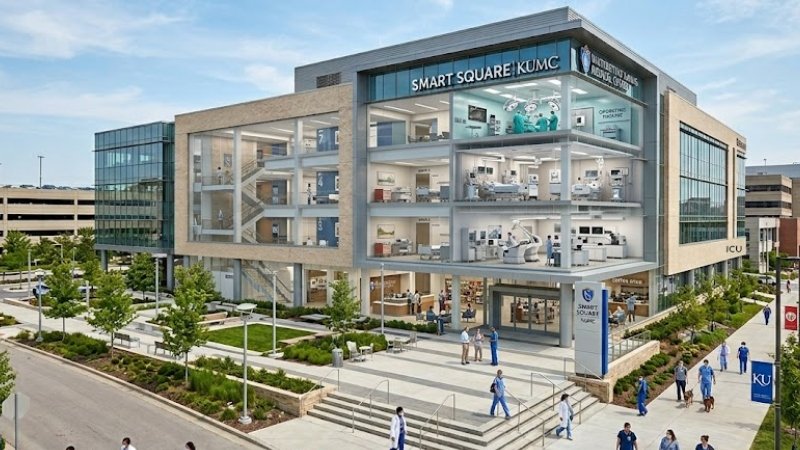
Smart Square KUMC is a workforce scheduling and staffing management system designed for healthcare environments. The platform helps hospitals and medical organizations manage employee schedules, staffing levels, shift assignments, and workforce planning through a centralized digital system.
Traditional scheduling methods often rely on spreadsheets, paper schedules, and manual updates. These methods can create confusion and increase the risk of staffing shortages or scheduling conflicts.
By using Smart Square KUMC, healthcare organizations can automate many scheduling processes and improve overall workforce coordination.
Why Workforce Management Matters in Healthcare
Healthcare facilities operate twenty-four hours a day, seven days a week. Unlike many industries, hospitals cannot simply close when staffing becomes difficult.
Proper workforce management helps organizations:
- Maintain adequate staffing levels
- Improve patient care quality
- Reduce employee burnout
- Control labor costs
- Increase operational efficiency
- Improve staff satisfaction
When staffing levels are balanced correctly, healthcare providers can focus more on patient care and less on administrative challenges.
Key Features of Smart Square KUMC
Several features make modern healthcare scheduling systems valuable for organizations.
Automated Scheduling
One of the most useful functions is automated schedule creation.
The system can generate schedules based on:
- Employee availability
- Department requirements
- Skill qualifications
- Staffing demands
- Shift preferences
This reduces the time managers spend creating schedules manually.
Real-Time Schedule Updates
Healthcare environments change quickly.
Patient volumes can increase unexpectedly, employees may call out sick, or additional staff may be needed during emergencies.
Real-time updates allow schedule changes to be communicated immediately across the organization.
Employee Self-Service Access
Many workforce systems allow employees to manage parts of their schedules independently.
Staff members can often:
- View upcoming schedules
- Request time off
- Check shift availability
- Submit scheduling preferences
- Request shift swaps
This creates greater flexibility for employees while reducing administrative work.
Workforce Forecasting
Modern workforce tools use historical data and staffing trends to predict future staffing needs.
Forecasting helps organizations prepare for:
- Seasonal patient increases
- Holiday staffing demands
- Special healthcare events
- Long-term workforce planning
Better forecasting often leads to more efficient resource allocation.
How Smart Square KUMC Supports Patient Care
Many people think scheduling systems only benefit administrators. In reality, effective workforce management directly affects patient care.
Proper staffing ensures:
- Faster patient response times
- Reduced waiting periods
- Better nurse-to-patient ratios
- Improved clinical outcomes
- Higher patient satisfaction
When healthcare workers are scheduled appropriately, they can focus on delivering quality care without excessive workload pressure.
Benefits for Healthcare Employees
Healthcare professionals often work demanding schedules that include nights, weekends, and holidays.
A well-designed scheduling system offers several advantages for employees.
Greater Transparency
Employees can clearly see their schedules and upcoming shifts without confusion.
Better Work-Life Balance
Scheduling tools help staff plan personal commitments more effectively.
Easier Communication
Shift requests and schedule changes can be handled through the system rather than through multiple phone calls or emails.
Reduced Scheduling Conflicts
Automated systems help minimize overlapping shifts and staffing errors.
These improvements contribute to higher employee satisfaction and retention.
Technology Behind Modern Scheduling Systems
Workforce management platforms rely on advanced technology to improve efficiency.
Some technologies commonly used include:
Cloud Computing
Cloud-based systems allow access from multiple devices and locations.
Managers and employees can view schedules from computers, tablets, or smartphones.
Data Analytics
Analytics help organizations identify staffing patterns and improve workforce planning.
Automation
Automated workflows reduce repetitive administrative tasks and increase accuracy.
Mobile Accessibility
Mobile access allows employees to stay connected and receive schedule updates instantly.
These technologies continue improving workforce management across healthcare organizations.
Common Challenges in Healthcare Scheduling
Even with advanced technology, healthcare scheduling remains complex.
Some common challenges include:
Staffing Shortages
Healthcare facilities often face shortages of qualified personnel.
Unexpected Absences
Illness, emergencies, and personal situations can create last-minute staffing gaps.
Regulatory Compliance
Healthcare organizations must comply with labor regulations and staffing requirements.
Employee Burnout
Excessive overtime and heavy workloads can negatively affect employee well-being.
Systems like Smart Square KUMC help address many of these challenges through improved planning and automation.
The Growing Importance of Workforce Analytics
Data-driven decision-making is becoming increasingly important in healthcare.
Workforce analytics provide insights into:
- Staffing trends
- Labor costs
- Overtime usage
- Employee productivity
- Scheduling efficiency
Organizations can use this information to improve both operational performance and employee satisfaction.
As healthcare becomes more data-focused, workforce analytics will continue playing a larger role in scheduling decisions.
Future Trends in Healthcare Workforce Management
Healthcare workforce management continues evolving alongside technology.
Several trends are expected to shape the future.
Artificial Intelligence Integration
AI-powered systems may improve schedule optimization and staffing predictions.
Predictive Staffing Models
Future systems will likely forecast staffing needs with greater accuracy.
Enhanced Mobile Features
Employees increasingly expect full mobile access to scheduling tools.
Improved Employee Experience
Organizations are focusing more on flexibility and work-life balance.
Greater Automation
Administrative tasks will continue to become more automated.
These developments may help healthcare organizations operate more efficiently while improving employee satisfaction.
Why Digital Scheduling Systems Are Becoming Essential
Healthcare organizations face growing pressure to improve efficiency while maintaining excellent patient care.
Manual scheduling methods often struggle to keep pace with modern workforce demands.
Digital workforce management systems offer solutions by:
- Increasing scheduling accuracy
- Reducing administrative workload
- Improving communication
- Supporting workforce planning
- Enhancing operational efficiency
As healthcare environments become more complex, technology-driven scheduling solutions will continue gaining importance.
Conclusion
Smart Square KUMC represents an important step toward modern healthcare workforce management. By helping organizations manage staffing, automate scheduling, improve communication, and support workforce planning, these systems contribute to both operational efficiency and better patient care.
Healthcare organizations must balance staffing demands, employee satisfaction, and patient needs every day. Digital workforce management solutions make this process more manageable by reducing administrative complexity and improving scheduling accuracy.
As technology continues advancing, workforce management systems will likely become even more sophisticated, helping healthcare organizations create more efficient, flexible, and patient-focused environments for years to come.

Writer & Editor, UnderstandingBlogs
Luke David is a Writer & Editor at UnderstandingBlogs. He creates clear, research-based content on technology, AI, business, entertainment, and public figures. His work focuses on accurate facts, simple explanations, and useful insights readers can trust. Every article is carefully reviewed and fact-checked before publication.
- G15Tools Com Gadget: What It Is and What You Should Know - September 9, 2026
- Office Avstarnews: Understanding Its Digital Newsroom and Work Process - September 8, 2026
- Competitive Edge The SerpentRogue: Complete Guide to Strategy, Alchemy, and Survival - September 7, 2026